
Sophia (Sohyun) Hong · California attorney (CA Bar #362910)
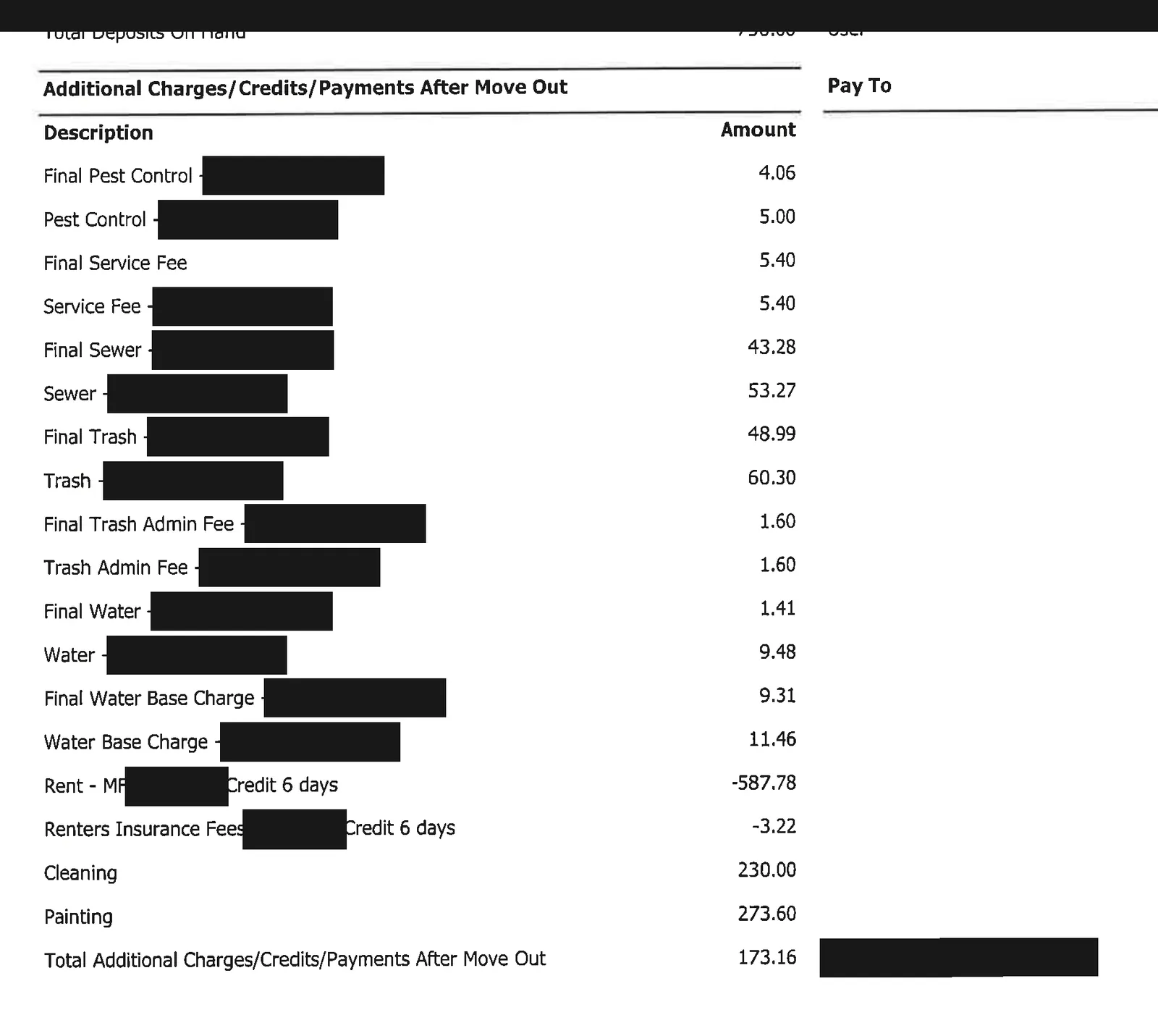
The statement says “carpet replacement,” and the charge looks like new carpet. The carpet was already used, so you need to check the charge and refund.
The short answer
Do not treat a partial check as routine. Read Can You Cash a Partial California Security Deposit Check? first.
Read the check and any letter first.
Section 1950.5(h)(5) sets post-statement document-request deadlines for both sides.
Save the statement, photos, and cost records. Dispute any unsupported charge in writing.
What should you check first?
Start with three questions.
Was there tenant-caused damage beyond ordinary wear and tear, meaning the effects of normal use and age?
Was replacement reasonably necessary?
Does the evidence support the amount?
The state’s tenant guide treats wear from normal use or age, moderate dirt, and moderate spotting as normal wear. Large rips or indelible stains may justify repair or reasonably necessary replacement.
Proration means reducing a charge for age and remaining value. It cannot turn ordinary or cumulative wear into chargeable damage.
Your four-year tenancy does not prove a four-year-old carpet. Earlier use matters. Check move-in photographs, a condition checklist, maintenance messages, and other starting-condition records.
What documents should support the charge?
The accounting, meaning the itemized deductions and refund, should show the work, cost, and photographs. The label “carpet replacement” is not enough.
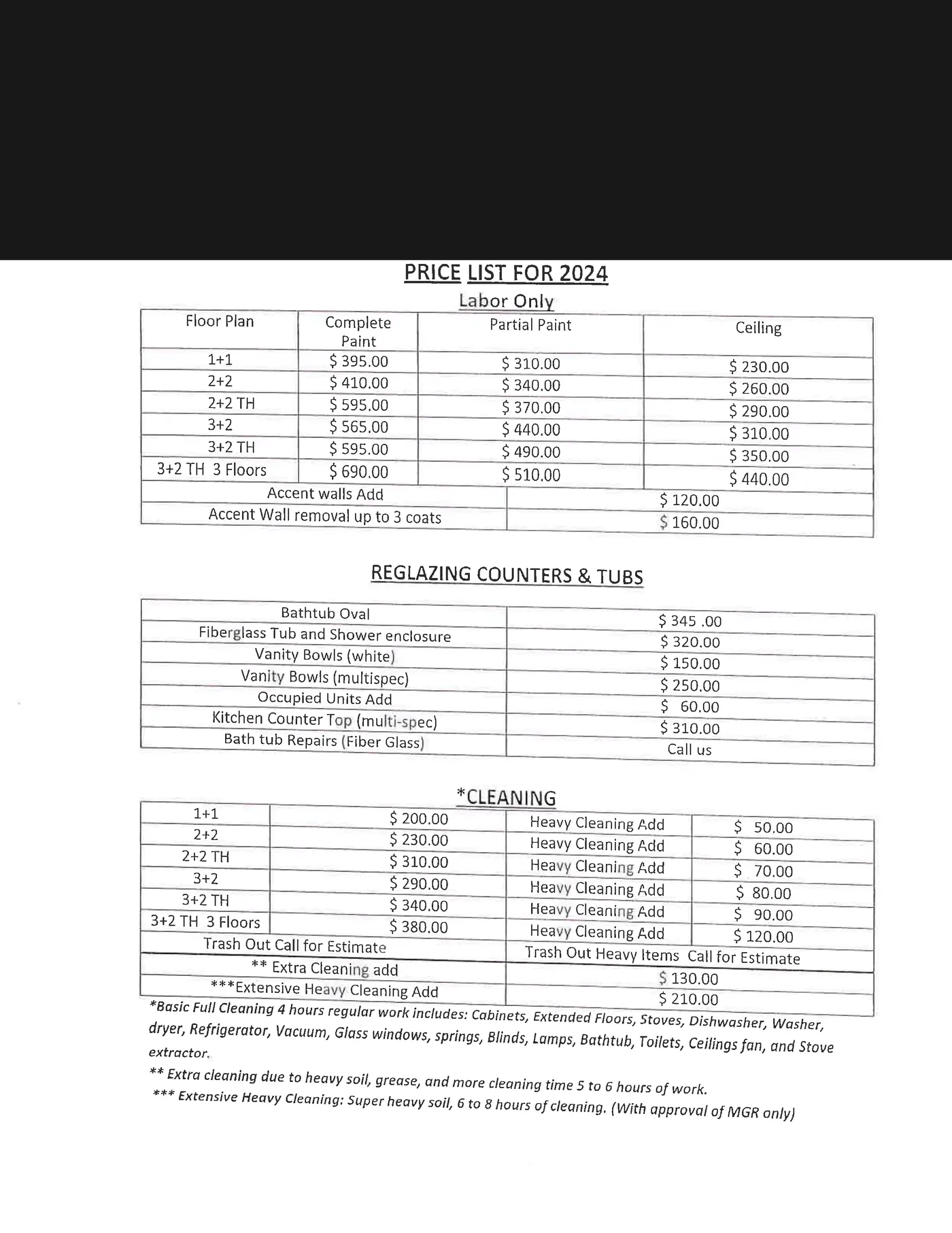
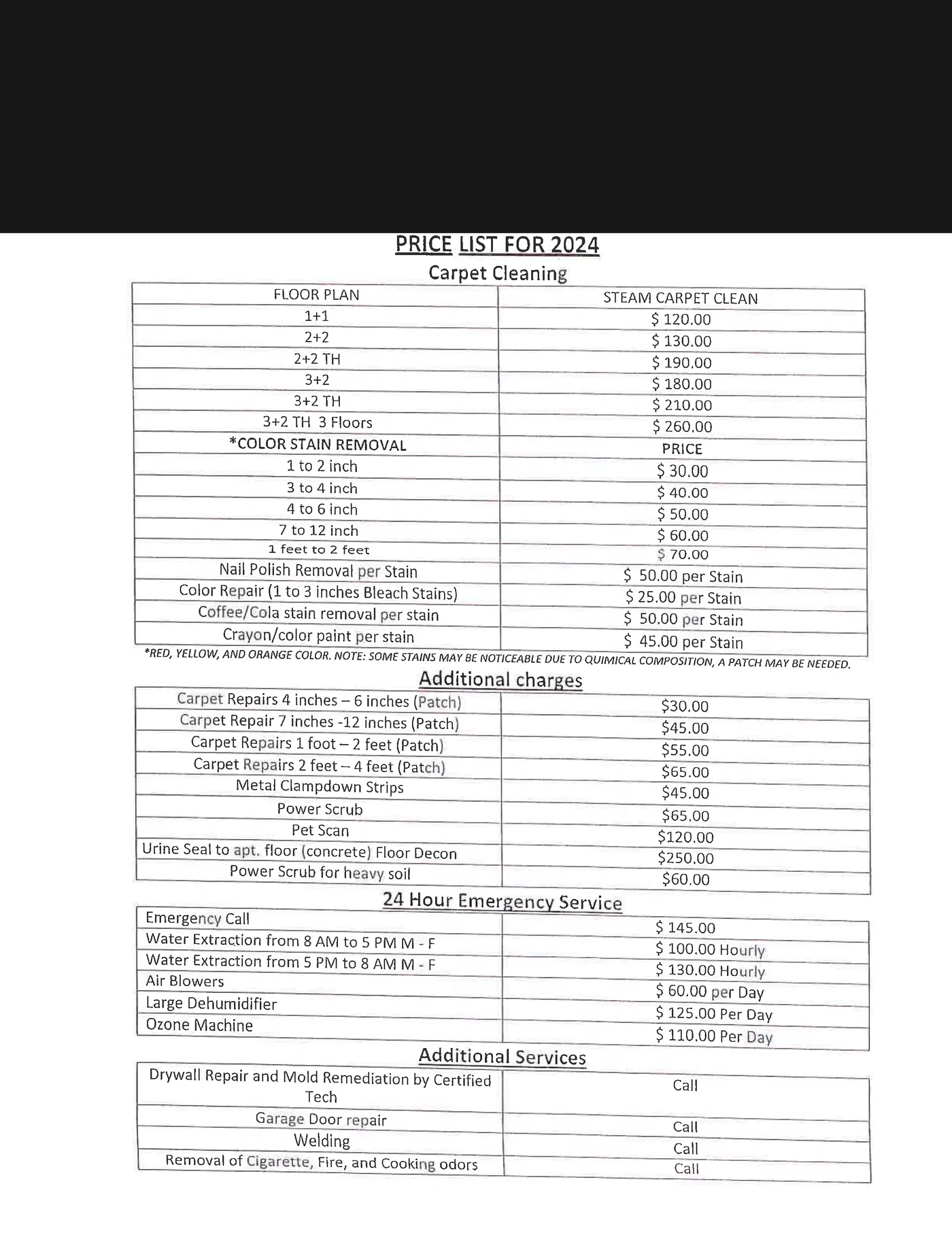
Match each part of the charge to a record. Check comparable-quality replacement cost, labor, materials, pre-repair and post-repair photographs, and the written explanation. Look for age and starting-condition evidence.
<!-- OPTIONAL IMAGE: Blurred carpet-replacement line item beside move-in and pre-repair photo placeholders + alt="Carpet replacement deduction with spaces for move-in and pre-repair records" -->Section 1950.5 does not expressly require an original installation date or depreciation worksheet. Those facts still matter in a claim about remaining value.
Check if your deductions are valid before you calculate or write back.
How does the useful-life calculation work?
Useful-life math estimates the old carpet’s remaining value. One common method is in the California Department of Real Estate guide. It is guidance, not a formula required by § 1950.5.
The guide calls its suggested deductions consistent with the law but not necessarily the law here. Its example assumes damage beyond repair. The math follows the damage and replacement questions.
| State guide’s illustrative input or step | Calculation | Result |
|---|---|---|
| Similar-quality replacement cost | Given in the guide’s example | $1,000 |
| Hypothetical life expectancy | Given in the guide’s example | 10 years |
| Carpet’s age when damaged beyond repair | Given in the guide’s example | 8 years |
| Remaining life | 10 − 8 | 2 years |
| Remaining-value fraction | 2 ÷ 10 | 20% |
| Illustrative charge | $1,000 × 20% | $200 |
The example produces a $200 charge from a $1,000 replacement, a hypothetical ten-year life, and an eight-year-old carpet. It sets no ten-year rule for California carpet. It does not require straight-line depreciation, meaning equal yearly value reductions. It illustrates remaining value after reasonably necessary replacement.
What does California law require?
California’s security-deposit statute gives carpet no fixed lifespan, useful-life table, or proration formula.
California Civil Code § 1950.5(b)(2) permits using the security for tenant- or guest-caused damage, excluding ordinary wear and tear. Section 1950.5(e)(2)(A) also excludes preexisting defects, ordinary wear and its effects, and cumulative ordinary wear across one or more tenancies.
Section 1950.5(e)(2)(B) limits repair claims to the reasonable amount needed to restore the premises to their starting condition, excluding ordinary wear. A replacement charge should show why repair or cleaning was not enough.
Under California Civil Code § 1950.5(h)(2)(A)–(D), landlord- or employee-performed work requires a reasonable description, time spent, and reasonable hourly rate. Outside work generally requires a bill, invoice, or receipt. Materials need the vendor documents listed in the statute. Allowed repair or cleaning deductions also require photographs and a written cost explanation.
The usual document rules have exceptions. One can apply if repair and cleaning deductions together do not exceed $125 or an effective waiver exists. An effective waiver is a valid agreement to give up those protections. Section 1950.5(h)(5) also gives both sides deadlines for post-statement document requests. Missing paperwork calls for an exact audit. It does not automatically void every deduction.
A new-carpet invoice proves current cost. It may not prove the reasonable amount attributable to the old carpet. The statute requires reasonableness, necessity, restoration to the starting condition, and exclusion of ordinary wear.
In a lawsuit under the section, California Civil Code § 1950.5(m) requires the landlord or successor to prove the claimed amounts are reasonable. Useful-life inputs still need support. The guide’s hypothetical ten-year lifespan does not prove your carpet’s life expectancy. Your tenancy length does not prove its installation date.
What can you write about the charge?
Keep your request focused on damage, replacement, and value.
You can write: “I dispute the carpet-replacement deduction. Please provide the carpet’s installation date and starting condition. Please also provide the move-in, pre-repair, and post-repair photographs, the invoice and cost breakdown, and the basis for any remaining-useful-life calculation. Explain why replacement rather than repair was reasonably necessary. Please return the unsupported portion of the deduction.”
This asks for facts without claiming the statute expressly requires an installation record or depreciation schedule. It leaves room for the evidence.
What should you do next?
Save the statement, invoice, cost explanation, photographs, move-in checklist, and messages about the carpet’s prior condition. Record what you know about its age. Mark assumptions.
Extensive pet or smoke damage, a demand beyond the deposit, or a bad-faith allegation can change the stakes. Bad faith means dishonest conduct. Those facts may require individualized California legal help.
Check if your deductions are valid. Use it to prepare a focused first written request about the condition, documents, and amount.