
Sophia (Sohyun) Hong · California attorney (CA Bar #362910)
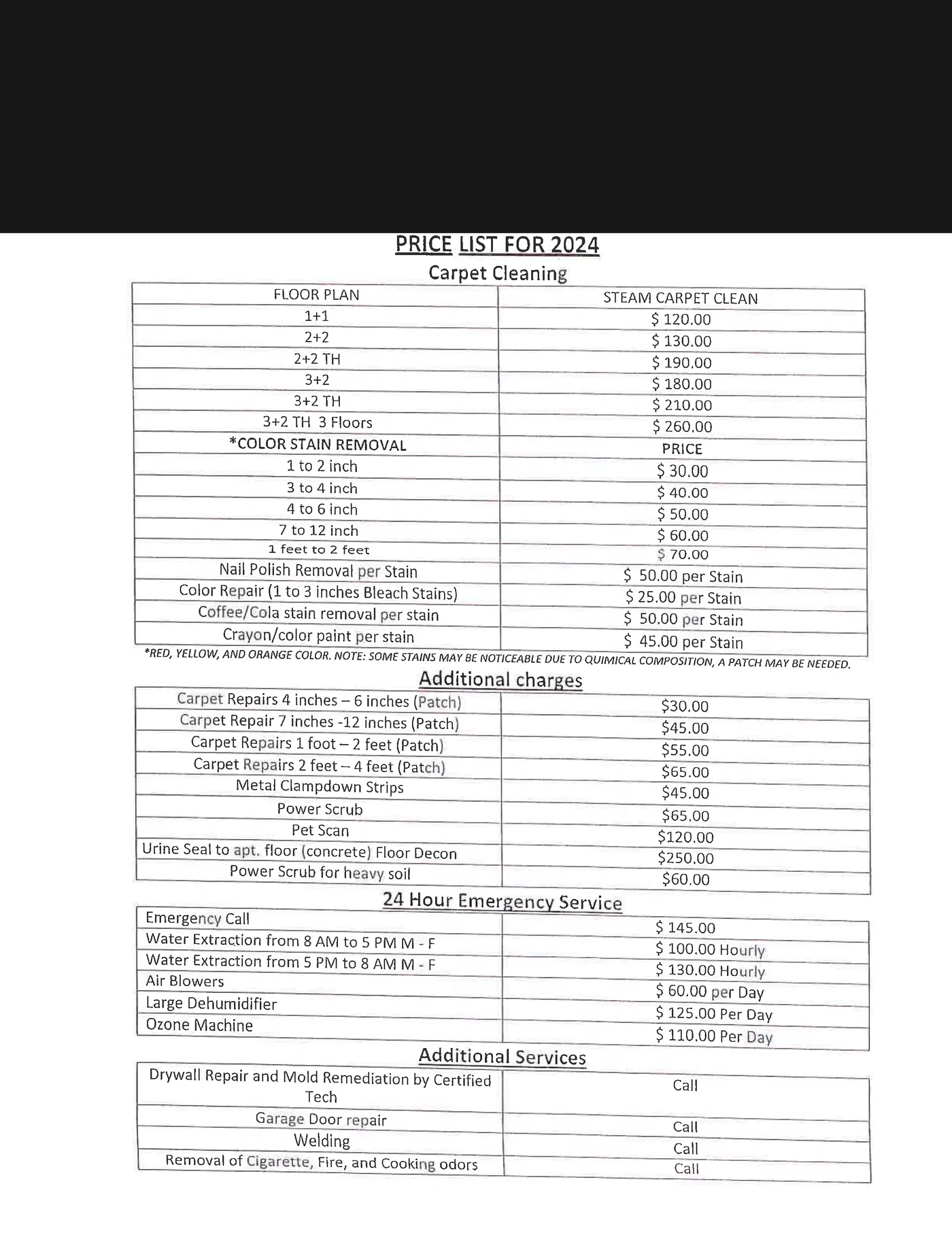
Your statement may list $700 for “professional cleaning” or split the charge among windows, cabinets, appliances, and carpet, though you cleaned before leaving. A vendor invoice does not prove it.
The short answer
Do not cash the check yet. Read the check and letter for language saying the payment fully settles the dispute.
A cleaning charge is allowed only when reasonably needed to restore move-in cleanliness.
Request missing records within 14 calendar days after receiving the statement under the later-request process.
Compare the move-in, pre-cleaning, and post-cleaning records. Then respond in writing.
Can a California landlord deduct a cleaning fee?
Yes. It must be reasonably needed to restore the starting level of cleanliness.
California Civil Code § 1950.5(b)(3) permits cleaning needed to return the unit to its cleanliness at the inception of the tenancy. “Inception” means when the tenancy began. California Courts Self-Help gives the same rule: the unit can be made as clean as it was at move-in.
Compare your move-in checklist and photos with pre-cleaning photos of the same surfaces. A dirty move-out oven means less if already dirty at move-in.
Starting cleanliness controls. A next-tenant or preferred turnover standard does not.
What documents should support the cleaning charge?
The records should connect condition, work, and cost.
Compare three stages: move-in, after you returned possession but before cleaning, and after the work. Move-in photographs are required for tenancies beginning on or after July 1, 2025. Pre-cleaning and post-cleaning photographs have been required since April 1, 2025. Allowed cleaning deductions also require a written cost explanation. California Civil Code § 1950.5(g) and (h)(2)(D)
Identify who did the work. Under California Civil Code § 1950.5(h)(2)(A)–(D), landlord or employee cleaning requires a reasonable work description, time spent, and reasonable hourly rate. Outside work generally requires the bill, invoice, or receipt and any provider information missing from it. Materials need vendor cost support.
The usual document rules can change when repair and cleaning deductions together do not exceed $125. They can also change with an effective waiver, a valid agreement giving up those requirements. A qualifying good-faith estimate, a genuine temporary estimate, can change them too. A tenant can request documents within 14 calendar days after receiving the statement under the later-request process. Missing support gives you a precise question. It does not automatically decide the remedy, meaning available legal relief.
Check if your deductions are valid. Review them before deciding whether to dispute.
Is a professional-cleaning policy enough?
No. A lease term, routine policy, or vendor label does not replace the condition-and-necessity test. That test asks about the unit’s condition and whether cleaning was needed.
California Civil Code § 1950.5(e)(1) and (e)(2)(A)–(C) limits a claim to an amount reasonably necessary for an allowed purpose. It excludes preexisting conditions, ordinary wear and tear, meaning deterioration from normal use, and cumulative ordinary wear and its effects. Professional carpet cleaning or another professional cleaning service is allowed only when reasonably necessary to restore the starting condition. Ordinary wear and tear remains excluded.
Age can matter when something looks dirty. The state tenant guide describes a washed kitchen floor that stays dingy after years of wax buildup. It treats this as cumulative wear. The guide also says routine between-tenant cleaning is not the test. These examples come from the California Department of Real Estate’s tenant guide. They do not create a statutory charge list.
Carpet replacement raises a different question. For that charge, use the guide to California carpet-replacement deductions.
What should you write back about the cleaning fee?
Send a short request about condition, work, and cost.
You can write: “I dispute the cleaning deduction as currently supported. Please identify what was less clean than at move-in and provide the applicable move-in, pre-cleaning, and post-cleaning photographs. For in-house work, please provide the work description, time, and hourly rate. For third-party work, please provide the invoice or receipt and any required provider information. Please return any unsupported portion of the deduction.”
Attach or identify your move-in evidence. Name the statement date and exact cleaning line. Save the exchange. Individualized California legal help may be appropriate for health or safety remediation, pet or smoke conditions, a demand beyond the deposit, or claimed bad-faith damages. Bad faith means dishonest or improper conduct.
What happened when I reviewed my own statement?
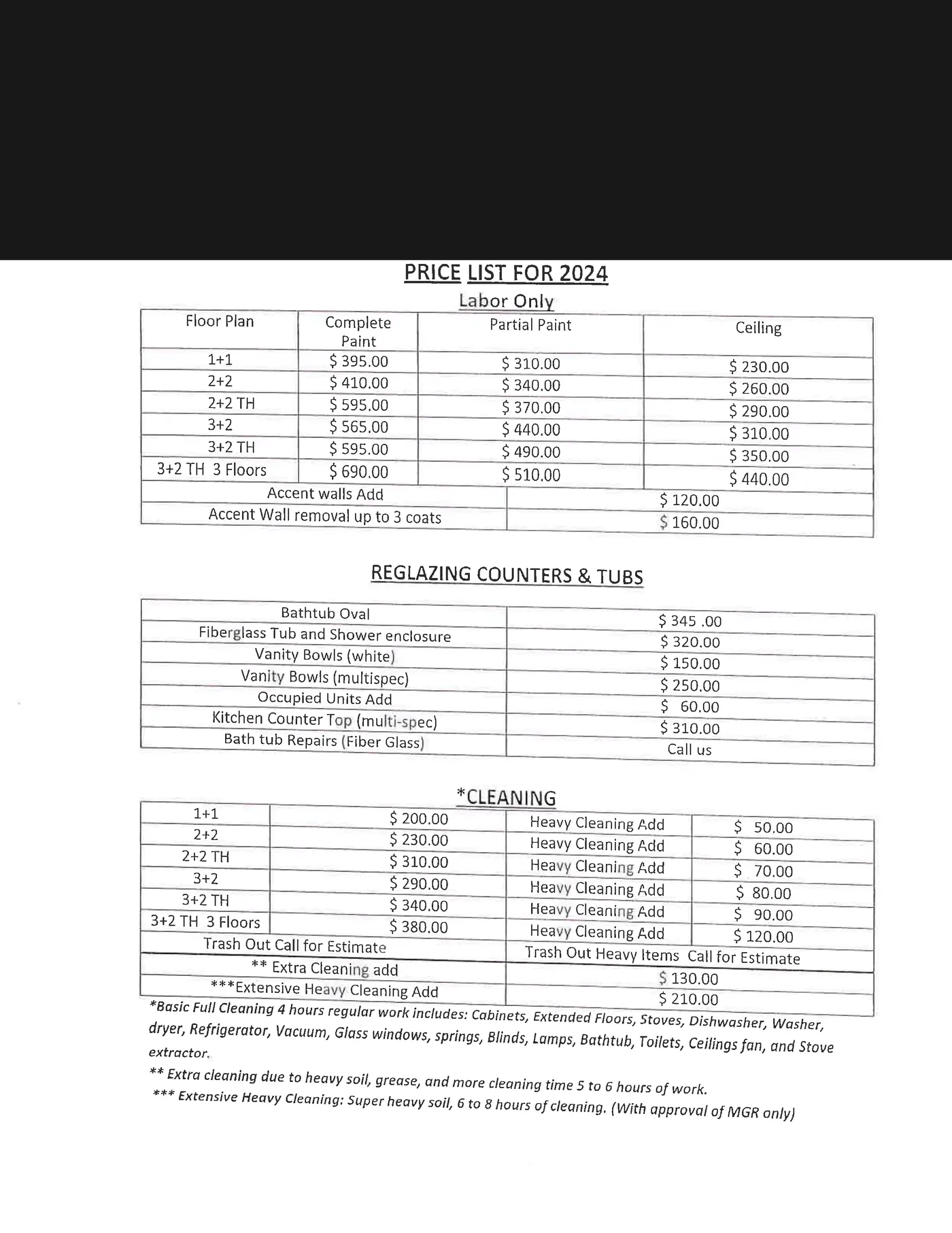
My statement charged $230 for cleaning and $273.60 for painting. I reviewed both under the applicable standard. I accepted the cleaning charge as reasonable based on my record and disputed the painting charge in writing. After three emails, the painting charge was fully refunded.
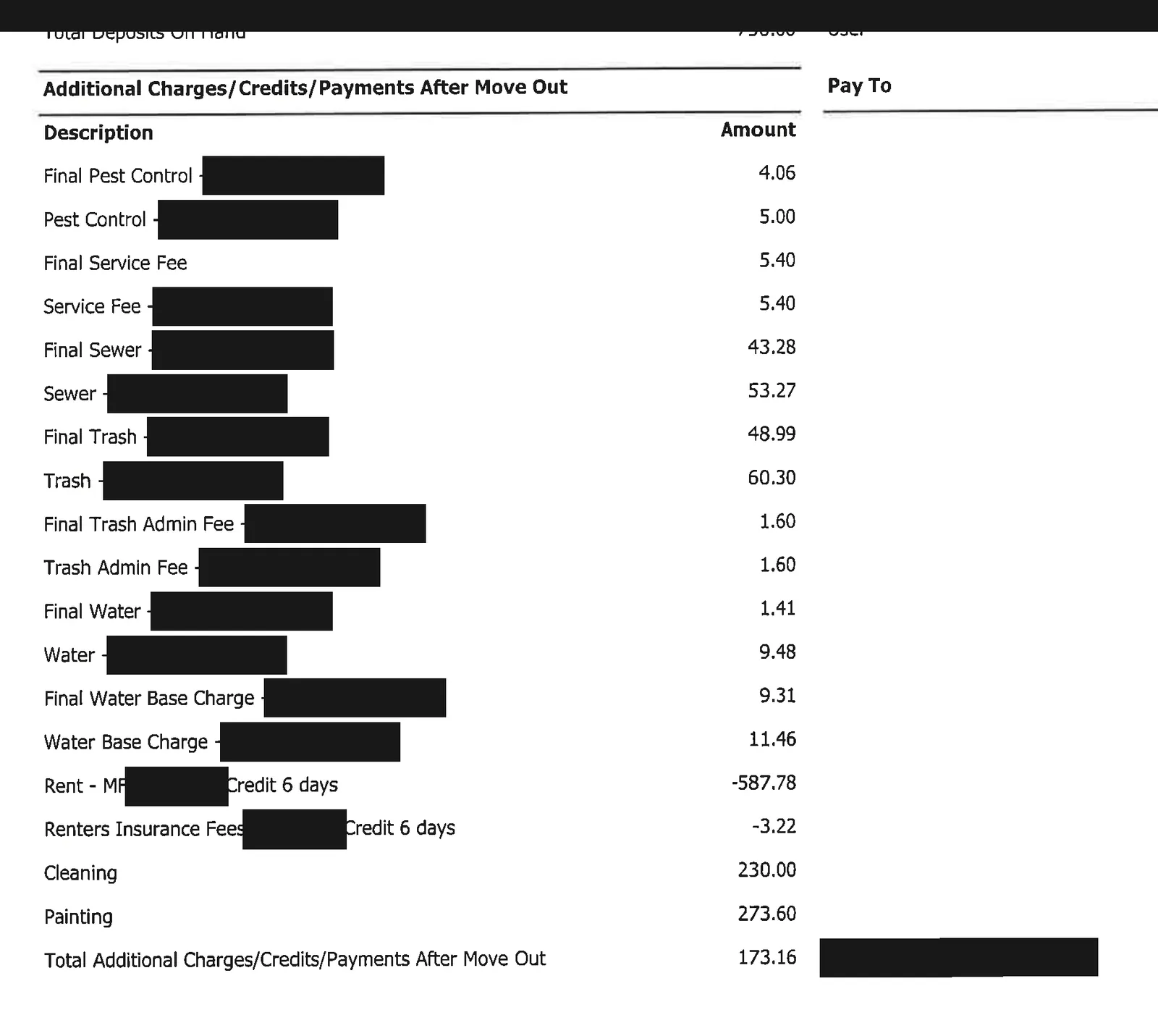
That result sets no rule for another statement. The $230 amount is not a California cleaning benchmark. A painting charge is not automatically improper. Careful review can support accepting one deduction and disputing another.
What should you do next?
Build the comparison before arguing about the amount.
Gather the statement, move-in record, pre-cleaning and post-cleaning photographs, written cost explanation, and correct work or vendor records. Mark what the evidence shows and what is missing. Use that record for a focused response.
Check if your deductions are valid. Use it to organize the condition, necessity, and proof behind the charge.