
Sophia (Sohyun) Hong · California attorney (CA Bar #362910)
Tracking shows delivery, but your response date passed. No payment, explanation, or counteroffer arrived.
The short answer
Before cashing a partial check, preserve it. Check it and its letter for settlement language, meaning words offering it to close the dispute.
Confirm your demand states the amount and reason.
California has no universal fixed waiting period; your reply date is no separate statewide filing deadline.
Afterward, organize evidence. Wait longer or file SC-100 in small claims immediately. Small claims is a simpler court process for lower-dollar disputes.
What should you check first?
Check the exact letter: if it states the amount and reason, it documents your request. Silence does not require another demand. Review omissions before filing. A request may be excused if a restraining order, or court order limiting contact, or a safety concern makes contact dangerous.
If a partial refund arrived, preserve the check before deciding whether to deposit a partial check.
What does the landlord's silence prove?
Silence shows your request and what followed but does not itself prove the deposit claim.
Keep three records:
- Demand Letter: the copy showing your amount and reason.
- Transmission Record: mail tracking, return receipt, or a sent email record.
- No-Payment Chronology: send, delivery or transmission, response, and follow-up dates.
The last row may say no response and no payment. It cannot prove bad faith, meaning improper conduct in claiming or keeping the deposit. A judge still needs the deposit and retained amounts, accounting or condition problem, legal violation, and requested damages. Damages are money sought for the harm.
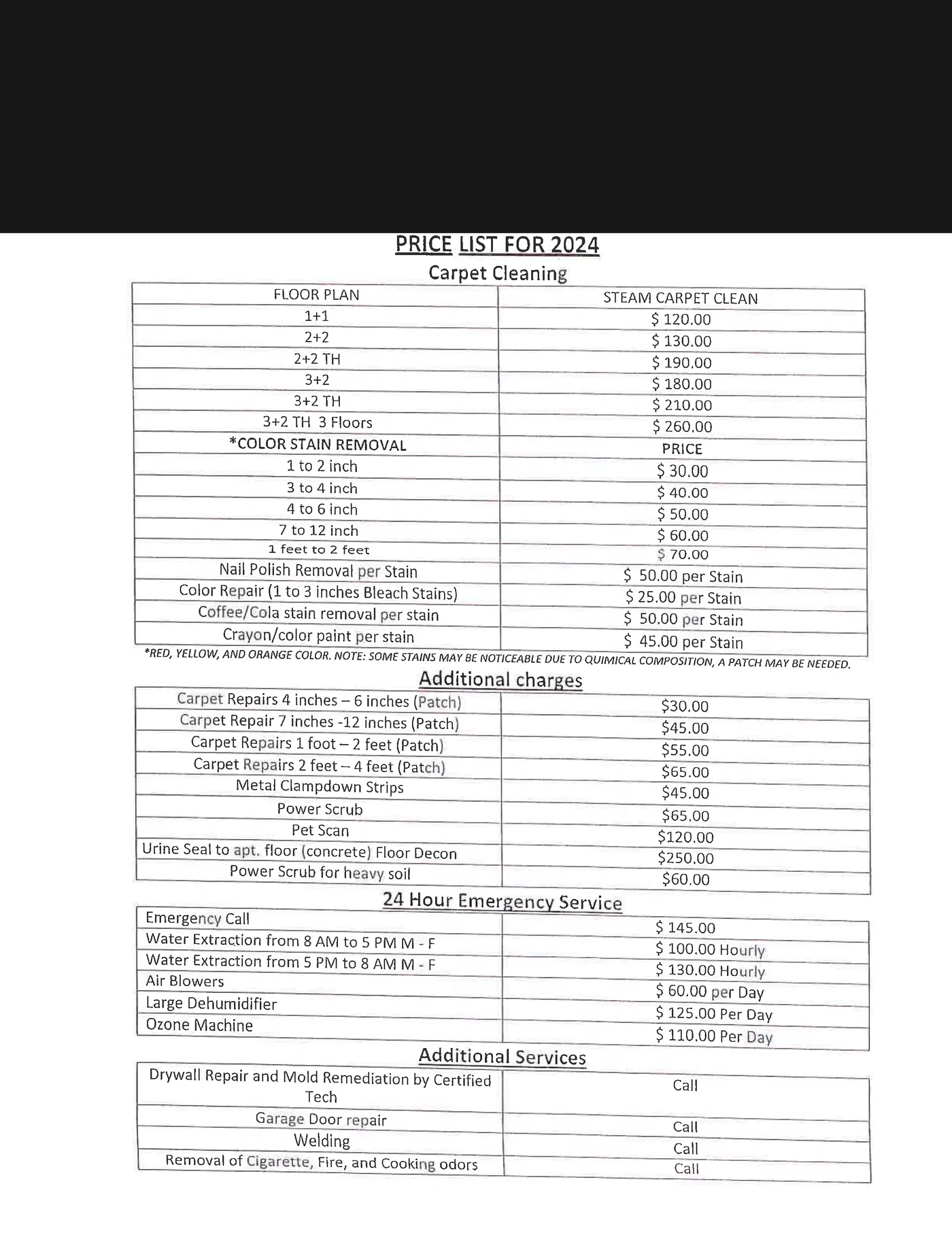
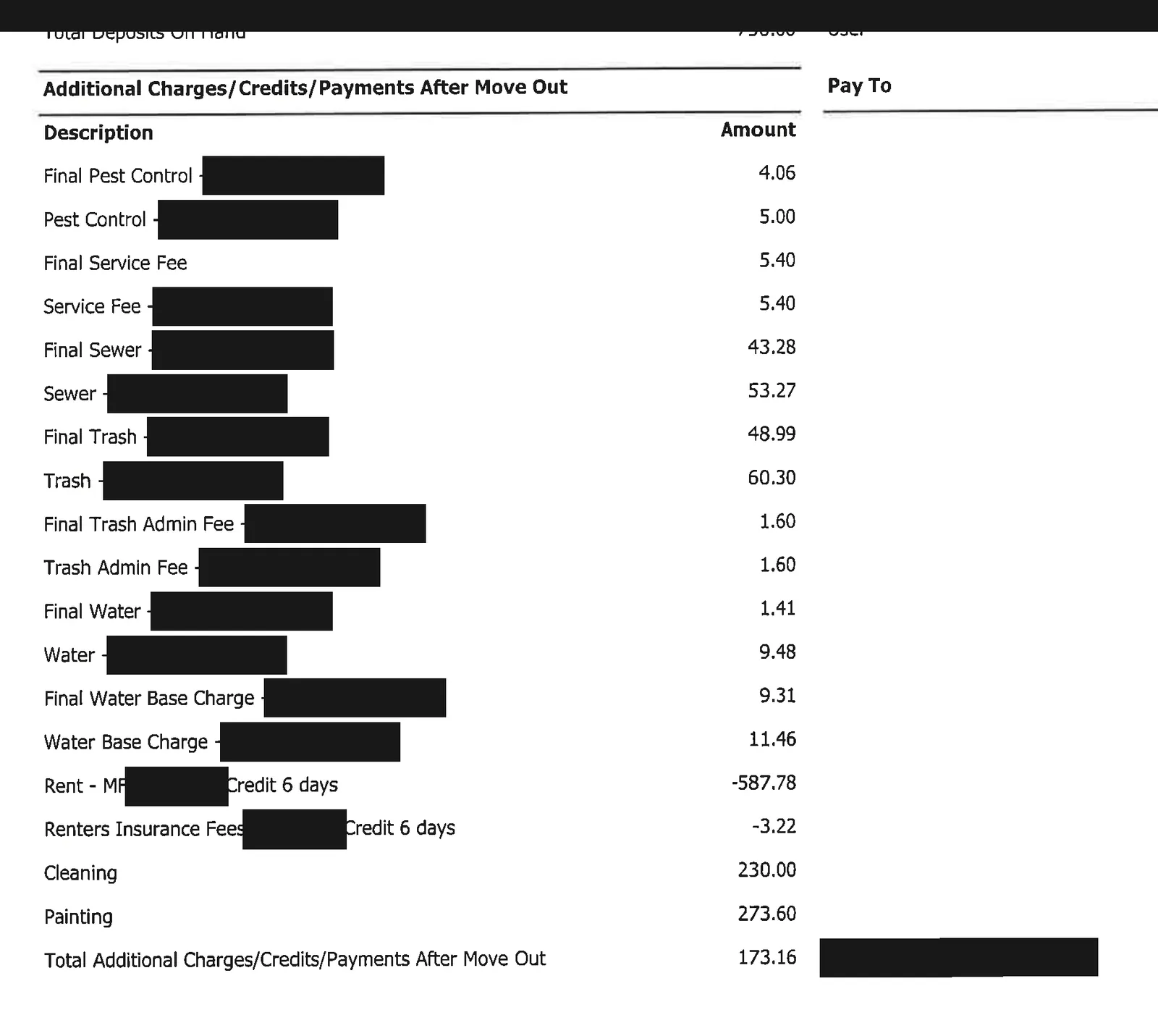
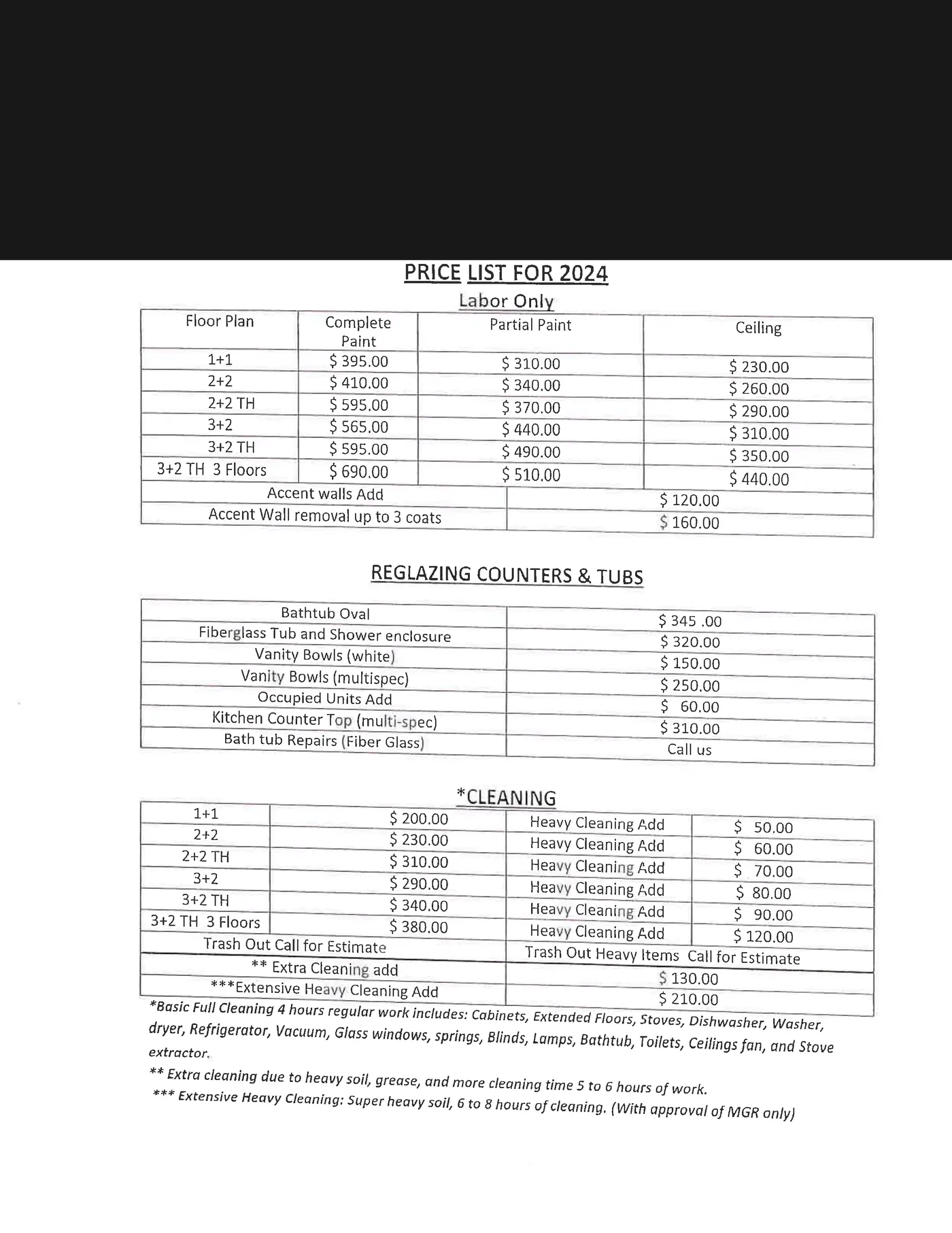
Use the lease and payment record for tenancy and deposit amount. Use key-return messages for move-out and possession. Use timestamped move-in/out photos, inspection records, and witness information for condition. Keep the itemized statement, or deduction list, with the missing-receipt record.
Check if your deductions are valid.
Do you have to wait after sending the demand letter?
Code of Civil Procedure § 116.320 covers the small-claims form. The plaintiff (person suing) can state that they demanded payment "where possible." It also covers whether the defendant (person or entity sued) failed or refused to pay.
The current SC-100 asks whether you requested payment before suing; in-person, written, and telephone requests count. Explain a no answer.
California Courts says to state the amount owed and why. Then wait or file right away. Your reply date may end your wait; it is no separate statewide filing deadline.
How do you calculate the amount requested?
Use separate rows before totaling SC-100.
| Worksheet row | What to enter |
|---|---|
| Actual damages | Your supported money loss |
| Requested § 1950.5(m) statutory damages | A separate amount allowed by statute, if you allege bad faith |
| Total demand | Actual damages plus the requested statutory amount |
| $12,500 check | Does the whole demand fit the individual ceiling? |
California Civil Code § 1950.5(m) allows up to twice the security in statutory damages, an extra amount set by law, plus actual damages. This applies to a bad-faith claim or retention when warranted. The court decides both. The award is not automatic and uses the security, not twice the amount withheld.
California Code of Civil Procedure § 116.231 generally limits a person to two statewide small-claims actions over $2,500 per calendar year. One deposit case is unaffected; repeat filers should count.
For a natural person (individual), the current small-claims ceiling is $12,500. Check the whole demand, including statutory damages.
Get individualized help before choosing small claims or a civil case if the total nears or exceeds the ceiling. Also get help for shared ownership, an arbitration clause requiring private dispute resolution, or a threatened landlord counterclaim.
What are the current small-claims filing fees?
| Amount you are suing for | Court filing fee |
|---|---|
| Up to $1,500 | $30 |
| More than $1,500 and up to $5,000 | $50 |
| More than $5,000 and up to $12,500 | $75 |
California Courts lists a separate $100 fee for plaintiffs with more than 12 small-claims cases in the prior 12 months. Eligible filers may seek a fee waiver, meaning court permission to avoid the fee.
These court filing fees exclude possible costs for copies, witnesses, transportation, and service, or formal delivery. Subpoenas are orders for testimony or evidence. Collection enforces payment after judgment, the court's decision.
What happens after you file SC-100?
Filing starts the case but does not complete service.
Confirm the landlord or legal entity, meaning the responsible company or organization. Check its service address or agent and the proper court. An agent receives court papers. A manager who does not handle deposit returns may be the wrong defendant. If the name or agent is uncertain, ask the local small-claims advisor.
Complete the current SC-100 using a court-accepted method. Pay the fee or request a waiver. The clerk stamps the forms, assigns a case number and court date, keeps the original, and returns copies.
Arrange service of the stamped claim. You cannot do it. The server must be at least 18 and not a party. Your demand letter and tenant-sent certified mail do not serve SC-100.
The California Courts service guide lists permitted methods. Some courts offer clerk-certified-mail service, where the clerk sends the claim.
Count back from the court date. Serve at least 15 days before the hearing if the defendant lives in the filing county, or 20 days if the defendant lives outside it.
If substituted service, an authorized alternative when direct delivery fails, may be needed, start no fewer than ten days before that deadline. File SC-104 Proof of Service (the delivery record) no fewer than five days before the hearing.
The hearing window set by law is 20 to 70 days from the order setting the hearing. It does not promise the whole dispute ends then. Failed service, postponement, a local alternative sequence, judgment delivery, and collection can extend the case.
For an in-person hearing, prepare three paper sets: originals, a judge copy, and a landlord copy. For a remote hearing, ask how and when to submit evidence.
Check if your deductions are valid. Prepare a dated claim worksheet and hearing packet.